
Explore Australia
Study in Australia.
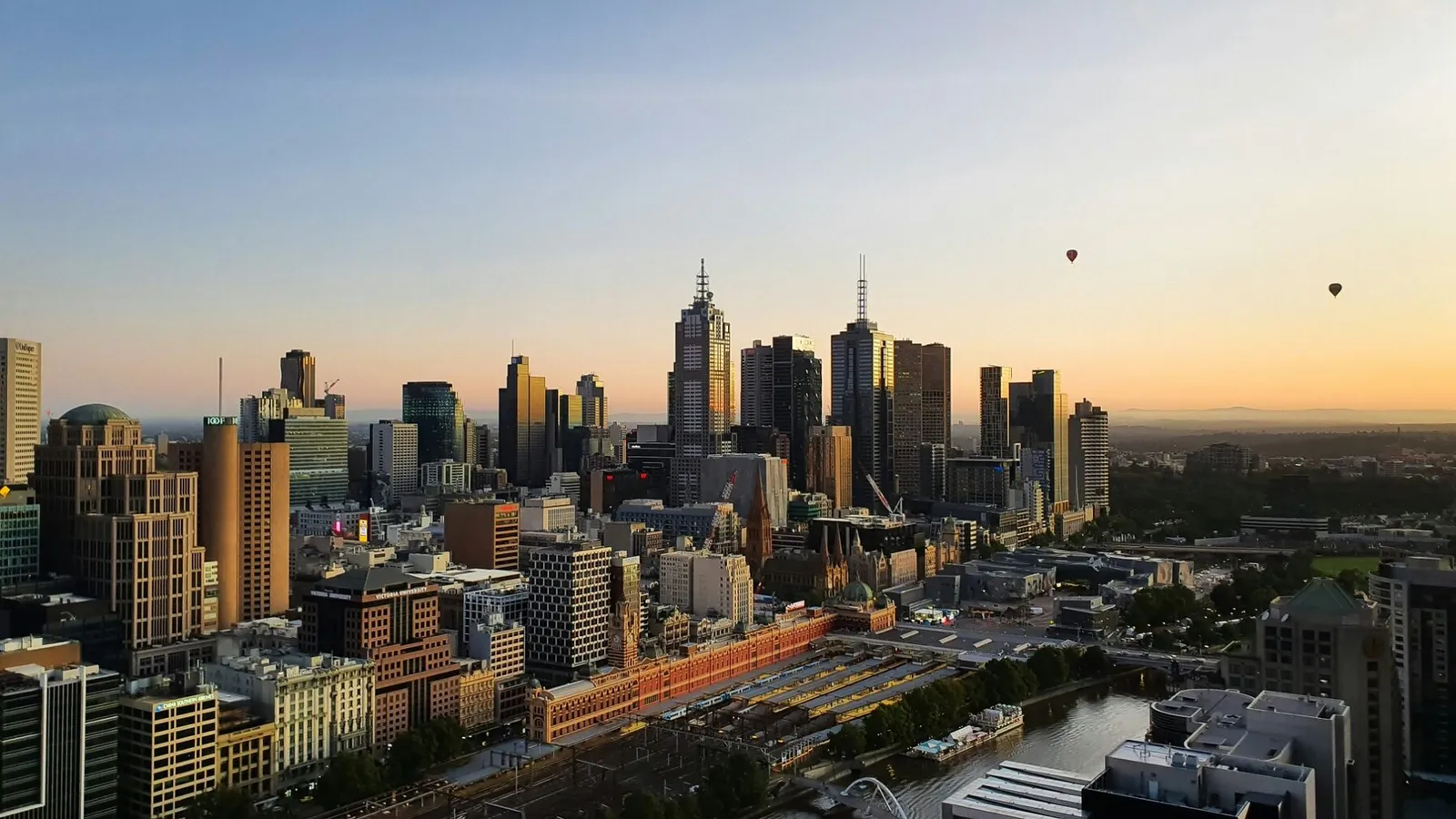
Imagine harbour cities, coastal campuses and an outdoor way of life. Explore Australia through the courses and everyday experiences that matter to you.
At a glance
Studying in Australia, at a glance.
Main intakes
February or March, and July
Bachelor’s degree
Usually 3 years (plus 1 for honours)
Master’s degree
Usually 1.5 to 2 years
Teaching language
English
Tuition (indicative)
Often around AUD 30,000 to 55,000 a year
Typical international range. Medicine, veterinary science and some laboratory courses cost more.
Living costs (indicative)
AUD 29,710 a year
The Australian Government’s living-cost figure for student visa applicants, set in May 2024. Check the Department of Home Affairs for the current amount.
General guidance, reviewed in November 2026 against official and published sources. Fees, living-cost figures and requirements change and differ by institution and course, so always confirm with the institution and official sources such as Study Australia and CRICOS course register before making decisions.
Why Australia
What draws students to Australia.
Two main intakes
February and July starts give flexibility in planning.
Practical, industry-linked study
Many courses include placements, projects and links with employers.
An outdoor lifestyle
Beaches, national parks and a warm climate in much of the country.
Study opportunities
Subject areas with a wide choice of programmes.
Courses offered to international students must be registered on CRICOS. Start with what you want to learn, then check each course’s modules, teaching approach and entry requirements.
- Business and accounting
- IT and data science
- Engineering
- Nursing and health
- Environmental science
- Hospitality
Where to study
Examples of well-known institutions in Australia.
In no particular order. These are examples to start your research, not rankings or recommendations, and many other excellent institutions exist.
University of Melbourne
- City
- Melbourne
- Type
- Public research university
University of Sydney
- City
- Sydney
- Type
- Public research university
Australian National University
- City
- Canberra
- Type
- Public research university
UNSW Sydney
- City
- Sydney
- Type
- Public research university
Monash University
- City
- Melbourne
- Type
- Public research university
University of Queensland
- City
- Brisbane
- Type
- Public research university
Check programmes, entry requirements and fees on each institution’s official website.
Admission requirements
What applications usually ask for.
Requirements are set by each institution and course. Use this as a starting checklist, then follow the official course page.
Most applications
- Academic transcripts and certificates from your previous study.
- Evidence of your proficiency in the language of instruction.
- A personal statement or statement of purpose, written in your own words.
- One or two academic or professional references.
- A CV, particularly for postgraduate applications.
- A valid passport.
Specific to Australia
- Check that your course is registered on CRICOS for international students.
- Apply directly to the institution in most cases.
- Some courses ask for portfolios, interviews or specific prerequisite subjects.
- English language evidence as required by the institution.
Scholarships
Scholarships worth researching.
Public information only. Eligibility, deadlines and amounts are set by each provider; WINAR does not provide or arrange funding.
Australia Awards
Australian Government scholarships for students from eligible partner countries.
University scholarships
Most Australian universities publish international merit scholarships.
Student life
Everyday life in Australia.
Choose your climate
Climates range from tropical in the north to cooler winters in the south.
Big city or regional campus
Regional campuses can offer lower costs and close-knit communities.
Overseas Student Health Cover
International students generally need approved health cover; check the official requirements.
Visas and immigration
Visa and immigration rules are set by the government of Australia and change regularly. WINAR does not provide immigration advice or services. Read the official guidance published by Department of Home Affairs (Student visa), and speak to a suitably qualified and regulated adviser if you need advice on your own circumstances.
Questions, answered plainly
Questions about studying in Australia.
What would your Australia chapter need?
Discuss your study goals, the information still to verify and possible next steps with WINAR. Support scope and destination coverage are subject to confirmation.